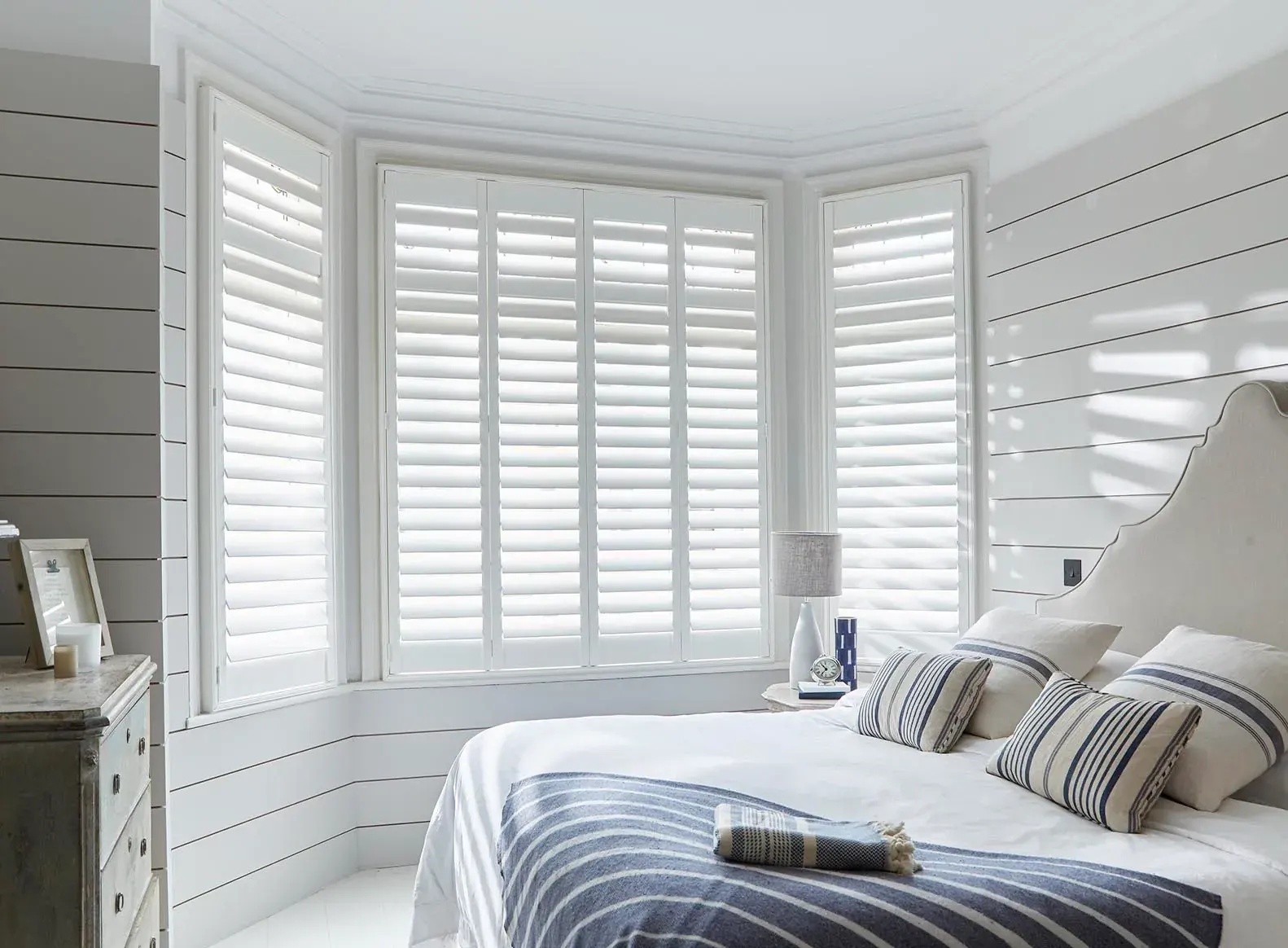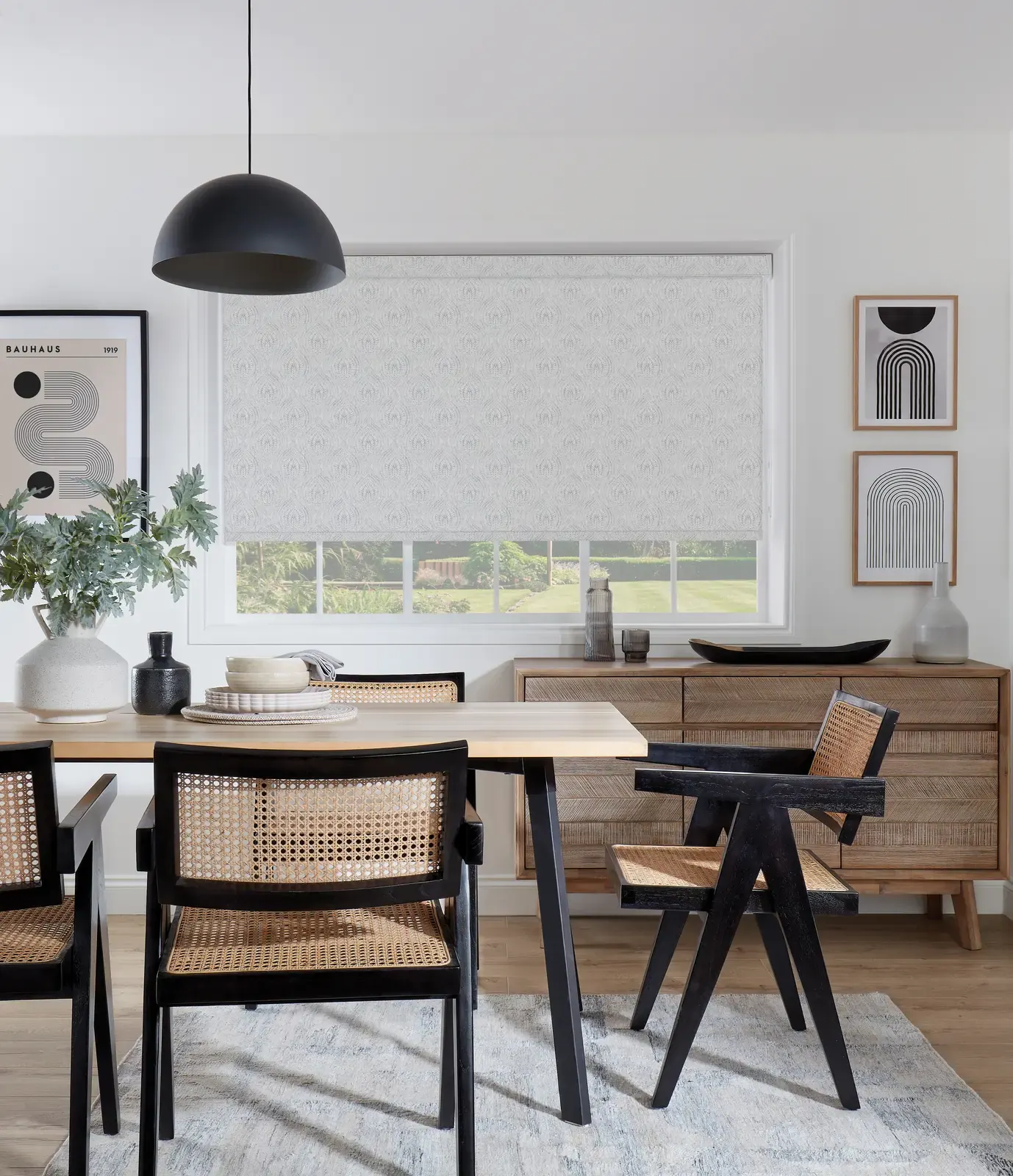

Perfect Fit and INTU blinds fit uPVC windows and doors with no drilling at all: a slim frame or a set of brackets clips into the glazing bead that holds the glass, the blind sits flat against the pane, and it opens and tilts with the window. They suit tilt-and-turn windows, bifold and patio doors, conservatories and rented homes, and they unclip in seconds without leaving a mark. Most modern double glazing qualifies; we check the bead on the visit.
Why not just drill into the frame?
A uPVC frame is a hollow profile with steel reinforcing and a sealed glazing unit inside it. A screw in the wrong place hits the reinforcing or, worse, the edge of the glazing unit, and many window installers treat drilled frames as outside their guarantee. Landlords usually forbid it. Drilling also fixes the blind to the frame rather than the opening sash, so on a tilt-and-turn window the blind swings every time the window tilts. The clip-in systems solve all of that.
Perfect Fit or INTU?
| Perfect Fit | INTU | |
|---|---|---|
| How it fixes | A slim aluminium frame clips into the glazing bead with hidden brackets | Brackets sit inside the bead itself; no visible frame |
| Look | A neat frame around the glass, in white or colour-matched | The slimmest look; nothing to see but the blind |
| Blind types | Pleated, cellular, roller, Venetian, blackout | Pleated, cellular, roller |
| Best for | Tilt-and-turn windows, conservatories, bifolds, French doors | New builds, bifolds, anywhere the frame would show |
| Cords | None: the blind runs on tension cords inside the frame | None |
| Removal | Unclips, no marks | Unclips, no marks |
Which windows and doors they suit
- Tilt-and-turn windows: the blind is attached to the sash, so it tilts and turns with the window and never swings or catches.
- Bifold doors: one blind per panel, moving with each panel as the doors fold. INTU is the usual choice because nothing protrudes.
- French and patio doors: Perfect Fit keeps the blind flat against the glass so the door still opens fully.
- Conservatories: Perfect Fit and INTU pleated blinds clip to every side panel without drilling the frame; roof blinds use tension cords.
- Bathrooms with tiled reveals: no drilling into tiles, and small frosted windows take the smallest sizes.
- Rented homes: fit on moving-in day, unclip on moving-out day.
Where they will not work
Both systems need a glazing bead to clip into, so they do not suit timber windows, old single-glazed metal frames, or uPVC frames whose bead is too shallow. Very wide panes can exceed the maximum width of a single blind, in which case we split them. If your frame does not qualify, a top-fixed roller or a tension-fit pleated blind in the recess avoids drilling the frame itself.
What you need to measure
Nothing, if you book a visit: we gauge the bead depth with the right tool for each uPVC profile and measure the visible glass. If you want an idea first, measure the glass height and width inside the bead, and note whether the window tilts or turns. The pleated fabrics come in blackout, cellular (insulating) and plain weaves, so the blind can do the job of a blackout roller or a thermal blind as well as a no-drill one.
Book a free home visit and we will check the bead on every window and quote Perfect Fit and INTU side by side.
Questions people ask
01Do Perfect Fit blinds damage the window?
02Can I still open the window with a Perfect Fit blind?
03Are no-drill blinds child-safe?
04Can I get a blackout no-drill blind?
05Do they cost more than ordinary blinds?
Facts checked 4 November 2026. Prices and lead times are those published on this site at that date; the quote you receive on your visit is the one that counts.