Thermal blinds work by trapping a layer of still air between the fabric and the glass, which slows the heat escaping through the window at night and, with a reflective backing, bounces some of the sun’s heat back out in summer. The effect is real but it depends on three things: how well the blind seals against the window, whether it is closed when it matters, and what glazing is behind it. A cellular blind in a Perfect Fit frame on a single-glazed or conservatory window makes a difference you can feel; a loose roller on a modern triple-glazed window makes very little.
How much heat do they save?
Published figures for cellular (honeycomb) blinds claim heat loss through the glass cut by up to 40 to 50 per cent in tests, and that is the figure quoted on our thermal blinds page. Treat it as the best case: a well-fitted cellular blind, closed, on glazing that loses a lot of heat. On a double-glazed window in a well-insulated home the saving is smaller because the window was losing less to begin with. Nobody can give you a pounds-per-year figure for your house without knowing the glazing, the room and your habits, and anyone who does is guessing.
Which blinds insulate best
| Blind | How it insulates | Rating |
|---|---|---|
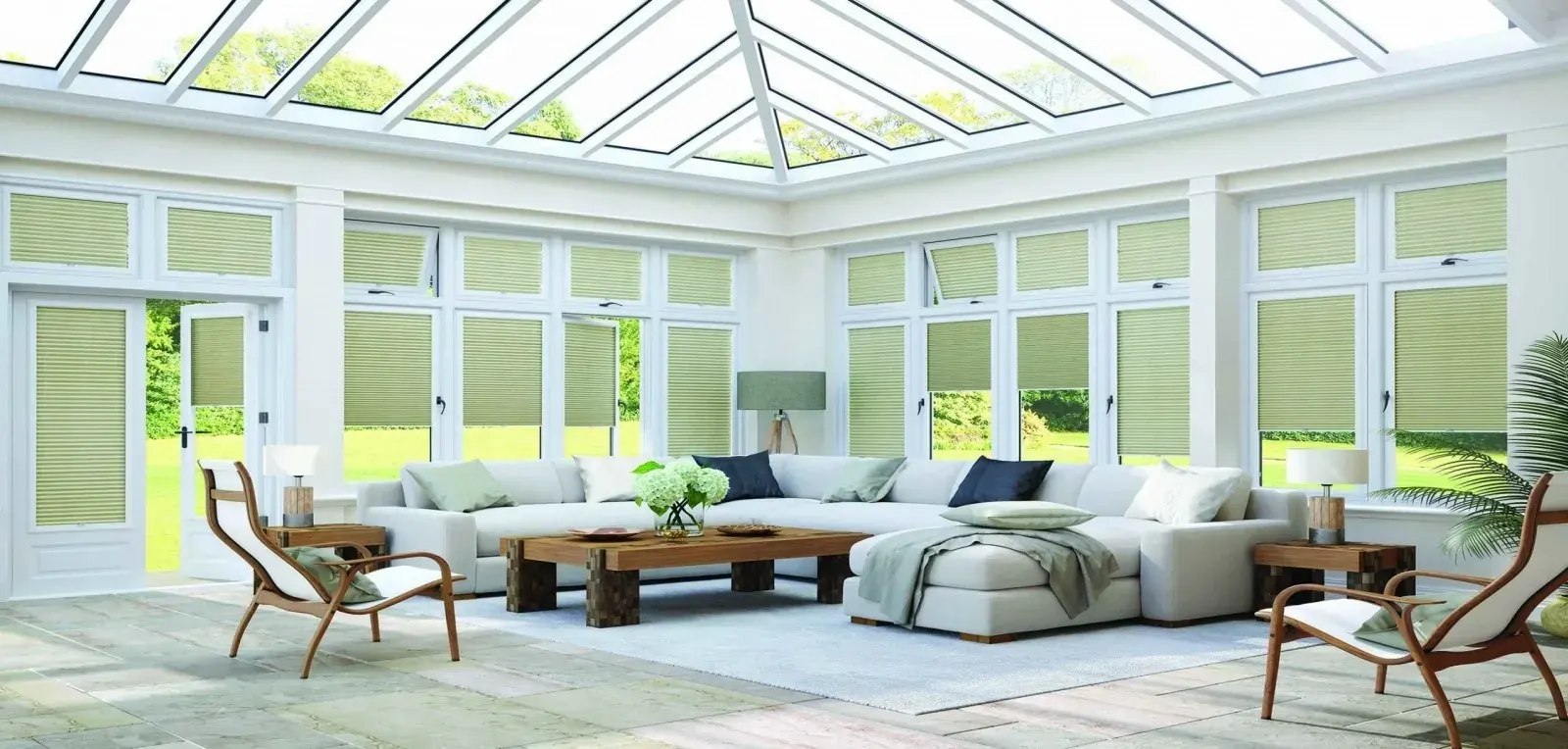
| Cellular (honeycomb) pleated | Two fabric layers form sealed air pockets; in a Perfect Fit frame the whole blind seals to the glass | Best |
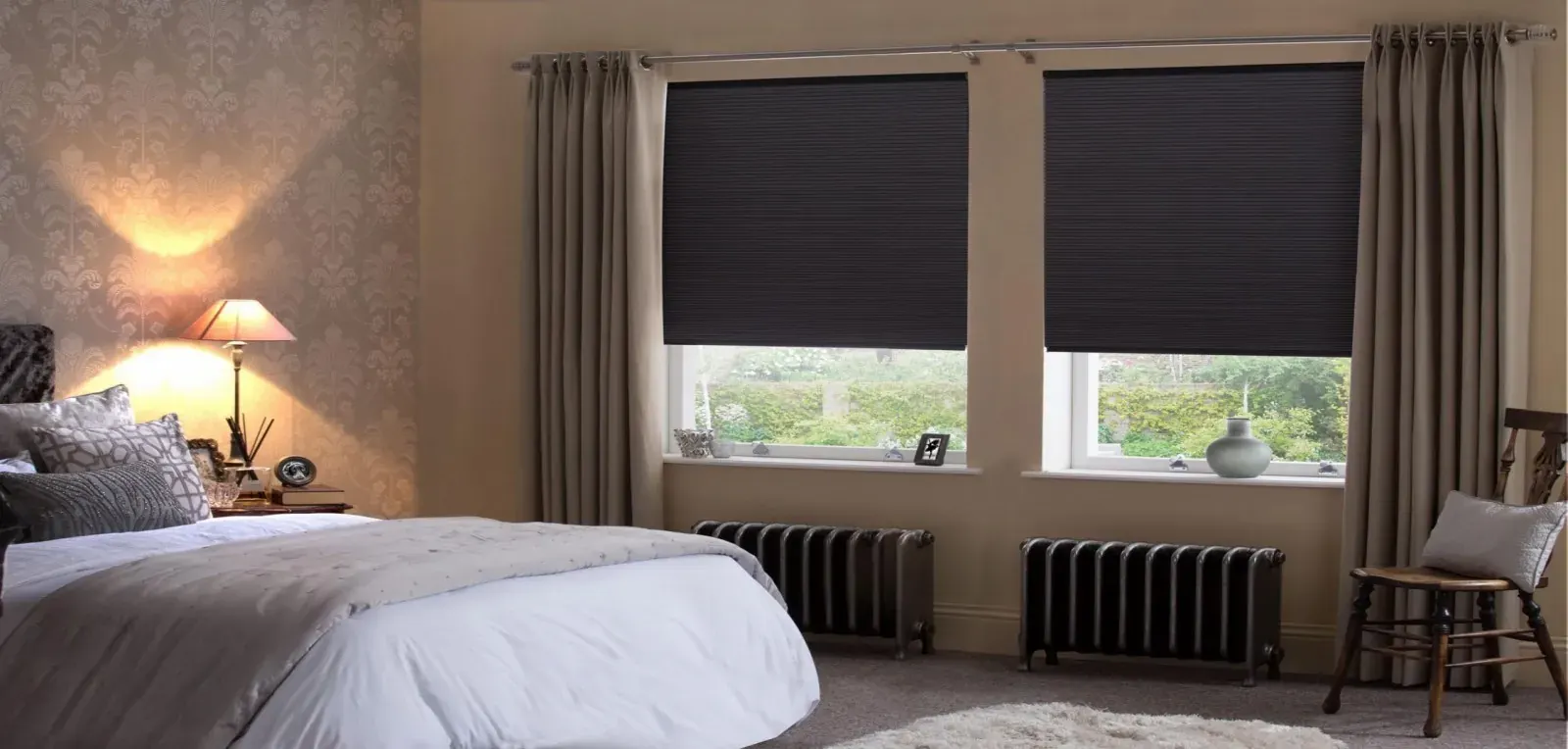
| Thermal-coated roller or blackout roller | A dense or coated weave traps air behind it; a cassette or side channels improve the seal | Good |
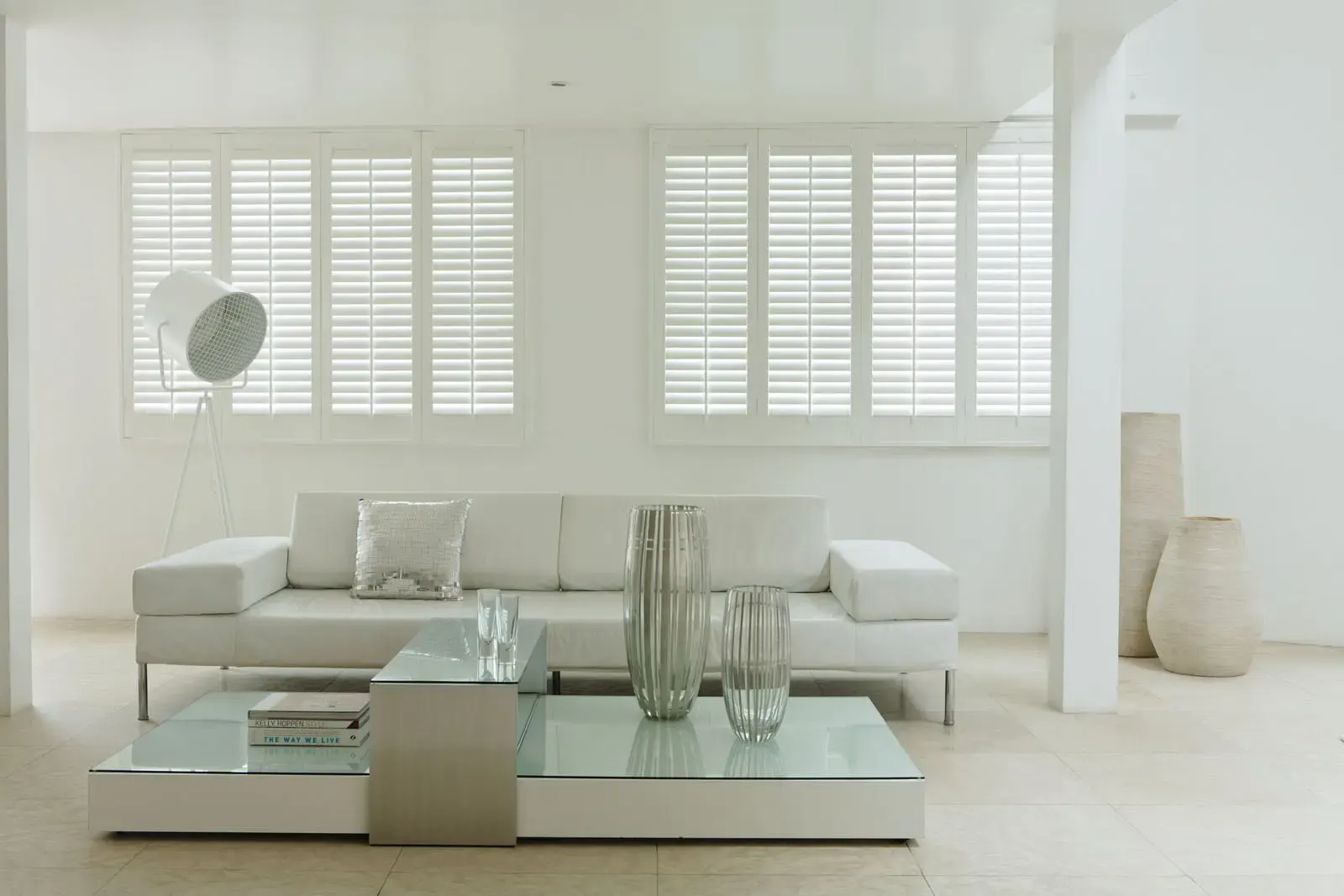
| Hardwood shutters | Solid timber louvres and panels close against the frame | Good |
| Roman with thermal lining | A lined fabric panel against the recess | Moderate |
| Vertical, Venetian, wooden | Slats and louvres leave gaps; little trapped air | Low |
Where they pay back and where they do not
- Conservatories: our first recommendation, especially cellular pleated on the roof, because the glass area is enormous and the room is otherwise unusable in January and July.
- Bedrooms: closed every night for eight hours, which is exactly when windows lose most heat. A thermal blackout fabric does both jobs.
- Older single-glazed or secondary-glazed windows: the biggest improvement per blind.
- Rooms you leave the blind open in: no benefit. A thermal blind only insulates when it is closed.
- Modern triple glazing: the window is already good; choose the blind for light and privacy, not heat.
Summer heat
The same construction works in reverse. Solar-reflective pleated fabrics with a pale backing reflect heat before it enters the room, which is why conservatory roof blinds are pale on the outside face. Cellular versions insulate in winter as well, so one blind does both seasons.
Getting the fit right
The gap matters more than the fabric. A blind that stops short of the sill or sits well forward of the glass lets warm room air circulate behind it, and the insulating layer never forms. Perfect Fit and INTU frames seal the blind to the glass on uPVC windows; in a recess, we fit as close to the glass as the handle allows and take the blind to the sill.
See the thermal blind fabrics or book a visit and we will tell you honestly which windows are worth it.
Questions people ask
01Are thermal blinds blackout as well?
02Do thermal blinds work in a conservatory?
03Will a thermal blind stop condensation?
04Is a thermal blind worth it on double glazing?
Facts checked 4 November 2026. Prices and lead times are those published on this site at that date; the quote you receive on your visit is the one that counts.